
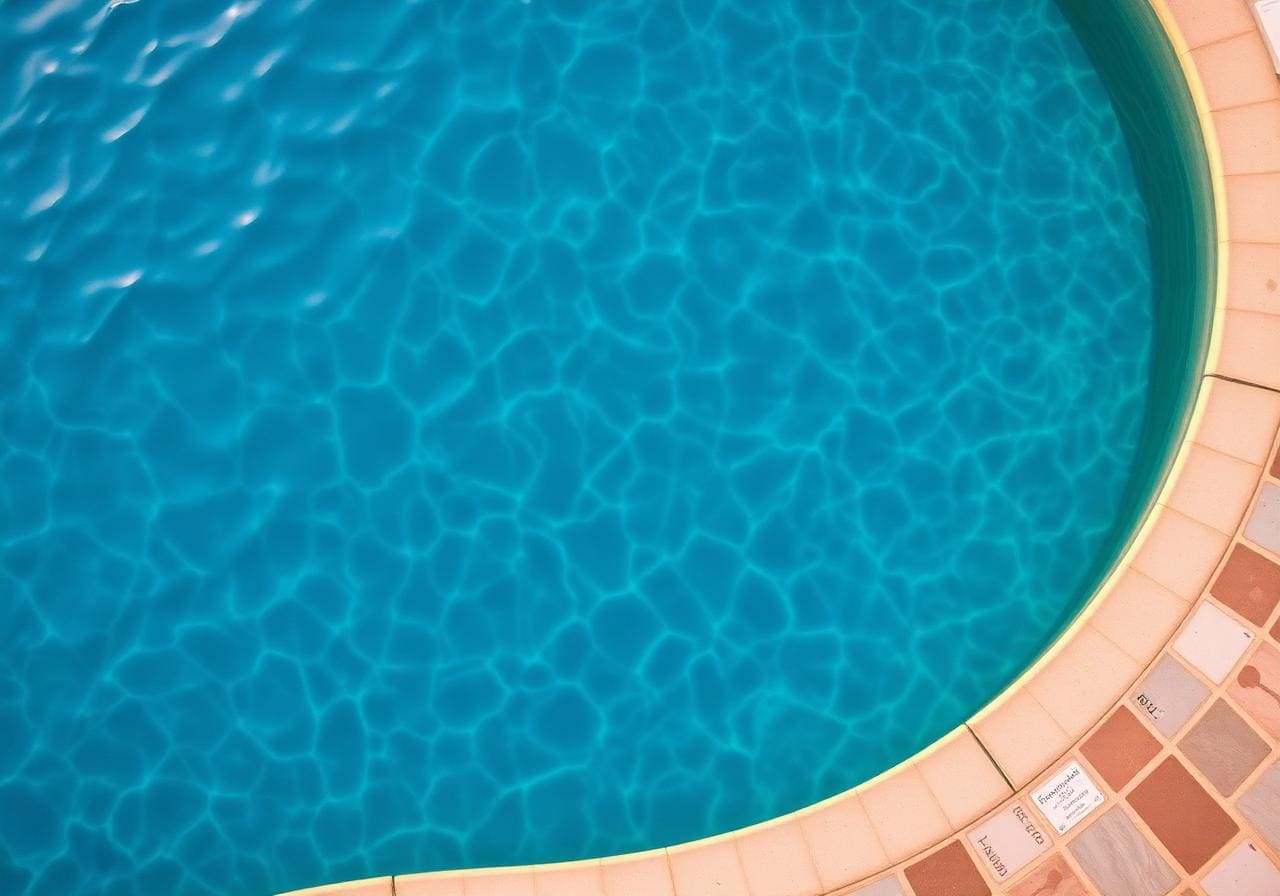
What, exactly, is a saltwater pool?
A saltwater pool might conjure images of an ocean cove or a mineral-salt soak. Neither is quite right, and that distinction is exactly why Saltwater Wanderer exists.
A saltwater pool is a swimming pool that generates its own chlorine. Instead of adding chlorine directly in the form of tablets, granules, or liquid, a small device called a salt chlorine generator passes a low-voltage electrical current through salt-dissolved water, producing chlorine on demand. That chlorine sanitizes the pool, then naturally reverts back to salt. The cycle repeats, continuously.
So no: a saltwater pool isn't chemical-free, chlorine-free, or anything like swimming in the sea. But it is meaningfully different from a traditional chlorine pool, in how it feels, in how it works and in what it means for our environment.
How a saltwater pool actually works
The process is simpler than it sounds.
Pool-grade salt is dissolved into the water. As water circulates through the pool's filtration system, it passes through the salt chlorine generator, sometimes called a salt cell. Inside, a low-voltage electrical current converts dissolved salt into chlorine. That chlorine sanitizes the water, then gradually converts back to salt. The cycle continues.
The basic loop
- Salt is added to the pool water
- The water passes through the salt chlorine generator
- The generator converts salt into chlorine
- Chlorine sanitizes the pool
- Chlorine reverts to salt
- Repeat
Because chlorine is produced steadily rather than added in periodic doses, saltwater pools tend to maintain more consistent sanitizer levels than traditional chlorine pools. That can mean that sanitization happens at lower chlorine levels without the “spike” that happens when traditional chlorine is added to a pool.
Saltwater pool vs. chlorine pool: What's the difference?
Both types use chlorine to keep the water clean and safe. The difference is how that chlorine gets there, and that difference matters for two things: comfort and maintenance.
Comfort
Saltwater pools tend to feel softer on the skin, gentler on the eyes, and less harsh-smelling than traditional pools. This is largely because chlorine is generated gradually and consistently, rather than spiking after a manual addition. The dissolved salt itself also subtly changes the water's texture. It can feel slightly more buoyant, though not as float-inducing as seawater.
The effect is subtle, but swimmers notice it. A well-maintained saltwater pool feels less like a chemical experience and more like a proper swim: clear, smooth, and easy on the senses.
Maintenance
Traditional chlorine pools require more active monitoring. Owners need to regularly test the water, manually add chlorine, store and handle chemical products, and respond to fluctuations caused by sun, rain, temperature changes, and heavy use. Uneven chlorine levels are what cause that sharp smell and the eye and skin irritation many swimmers associate with pools.
A salt chlorine generator automates much of this. It doesn't eliminate maintenance (pH, alkalinity, and the generator cell itself still need attention) but it can make the day-to-day much less demanding.
Common misconceptions about saltwater pools
Are saltwater pools chlorine-free?
No. This is the most persistent misconception. Saltwater pools sanitize using chlorine. The generator simply produces it from salt rather than requiring you to add it directly. The water still contains chlorine. The difference is in how consistently that chlorine is delivered and how much of it is present at any given time.
Does a saltwater pool feel like the ocean?
Not really. Saltwater pools contain far less salt than seawater, enough that the water might taste faintly salty if it gets in your mouth, but nowhere near the density of the ocean. There's no surge, no minerals, no marine life, none of the wildness of open water. What swimmers actually notice is a softness: less sharpness on the skin, less chemical smell. That's where the comparison to the sea begins and ends.
Are saltwater pools better?
For many swimmers and pool owners, yes. But not automatically, and not for everyone.
Benefits of saltwater pools for swimmers and pool owners
For swimmers, saltwater makes the experience more comfortable for their skin, hair, and eyes. In hotels, spas, and wellness-oriented properties, saltwater pools can also feel more elevated and luxurious.
For pool owners, saltwater systems can reduce the need to store and handle chlorine products. A salt chlorine generator creates chlorine continuously, which can make sanitizer levels easier to manage, automating what can be an onerous process.
For the environment, saltwater pools reduce the need to manufacture and transport chlorine, which minimizes toxic runoff and carbon emissions from industrial manufacturing.
Downsides of saltwater pools for pool owners
A saltwater system does not eliminate pool maintenance. There is also a higher upfront cost. Installing a salt chlorine generator is usually more expensive than operating a basic traditional chlorine system. Over time, the generator cell will wear out and need to be replaced.
Another consideration is materials. Salt can be corrosive in certain conditions. Stone, metal fixtures, railings, equipment, and pool finishes may all need to be chosen and cared for thoughtfully.
The honest answer is that saltwater pools are often a better experience, but they require thoughtful setup and maintenance.
The bottom line
A saltwater pool is best understood as a gentler chlorinated pool. Its defining feature isn't the absence of chlorine. It's the way chlorine is created: continuously, from dissolved salt, via a salt chlorine generator.
What makes people love them is harder to put into a spec sheet. A well-maintained saltwater pool feels softer, smells cleaner, and sits somewhere between the precision of a pool and the sensory ease of open water. For swimmers, travelers, and anyone who cares about the quality of the experience, that's the whole point.
5 Saltwater Pools Worth Traveling For
→The Poolside Digest, monthly.
One short letter a month — new pools, new essays, and places worth swimming.
No spam, unsubscribe anytime.